


Pharmacokinetics, Pharmacodynamics, and Safety of Lisinopril in Pediatric Kidney Transplant Patients: Implications for Starting Dose Selection

Clinical Pharmacology Therapy • July 2015

Access article on PubMed.

Trachtman H, Frymoyer A, Lewandowski A, Greenbaum LA, Feig DI, Gipson DS, Warady BA, Goebel JW, Schwartz GJ, Lewis K, Anand R, Patel UD; Best Pharmaceuticals for Children Act-Pediatric Trials Network Administrative Core Committee.

Hypertension in pediatric kidney transplant recipients contributes to long-term graft loss, yet treatment options–including angiotensin-converting enzyme inhibitors–are poorly characterized in this vulnerable population. We conducted a multicenter, open-label pharmacokinetic (PK) study of daily oral lisinopril in 22 children (ages 7-17 years) with stable kidney transplant function. Standard noncompartmental PK analyses were performed at steady state.

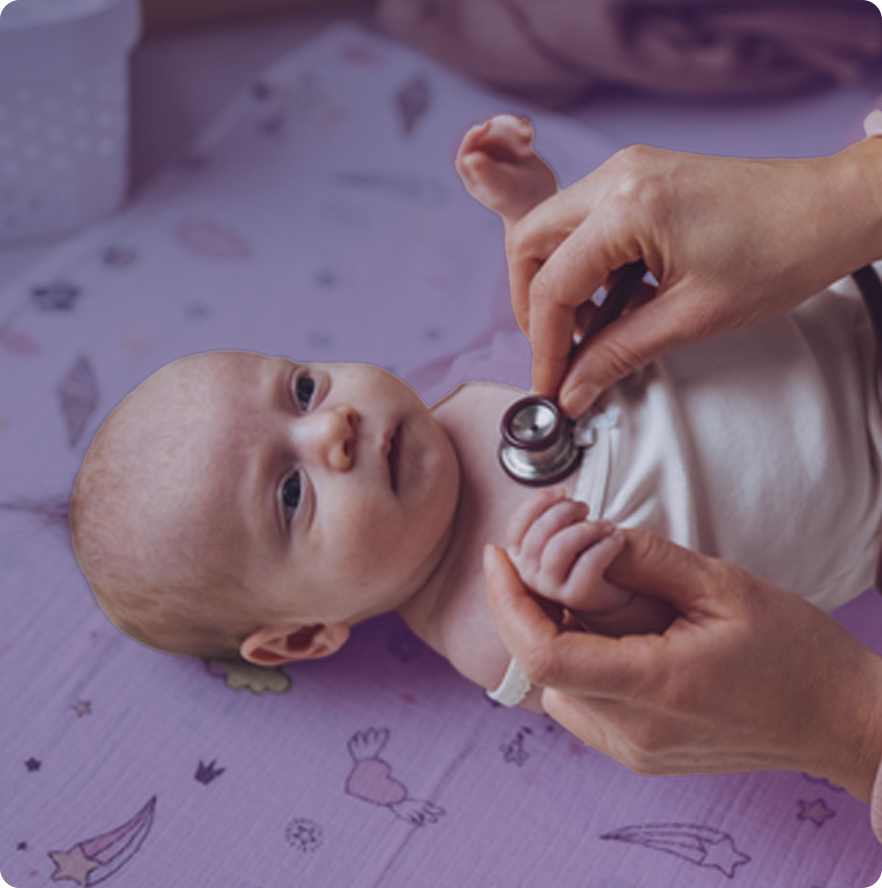
Child with clinician in scrubs

The PTN lisinopril study to begin enrolling patients in April 2012

A study to determine the safety and pharmacokinetics of lisinopril in children and adolescents receiving kidney transplants will begin enrolling participants in April 2012.

Lisinopril is approved by the U.S. Food and Drug Administration for the treatment of children aged 6 years and older and adults with high blood pressure, heart failure, and heart attack. High blood pressure is also common among children and adolescents who have received a kidney transplant, but the appropriate dose of lisinopril in this group is not well known.

In this PTN study, lisinopril will be given to children and adolescents who have received a kidney transplant and have high blood pressure. The levels of lisinopril in each participant will be measured, thereby helping to determine the best dose of the drug to reduce high blood pressure in this unique group. Up to 28 children and adolescents between 2 and 17 years of age with a successful kidney transplant will be enrolled at 8 sites across the United States.

Click here to learn more about this study.