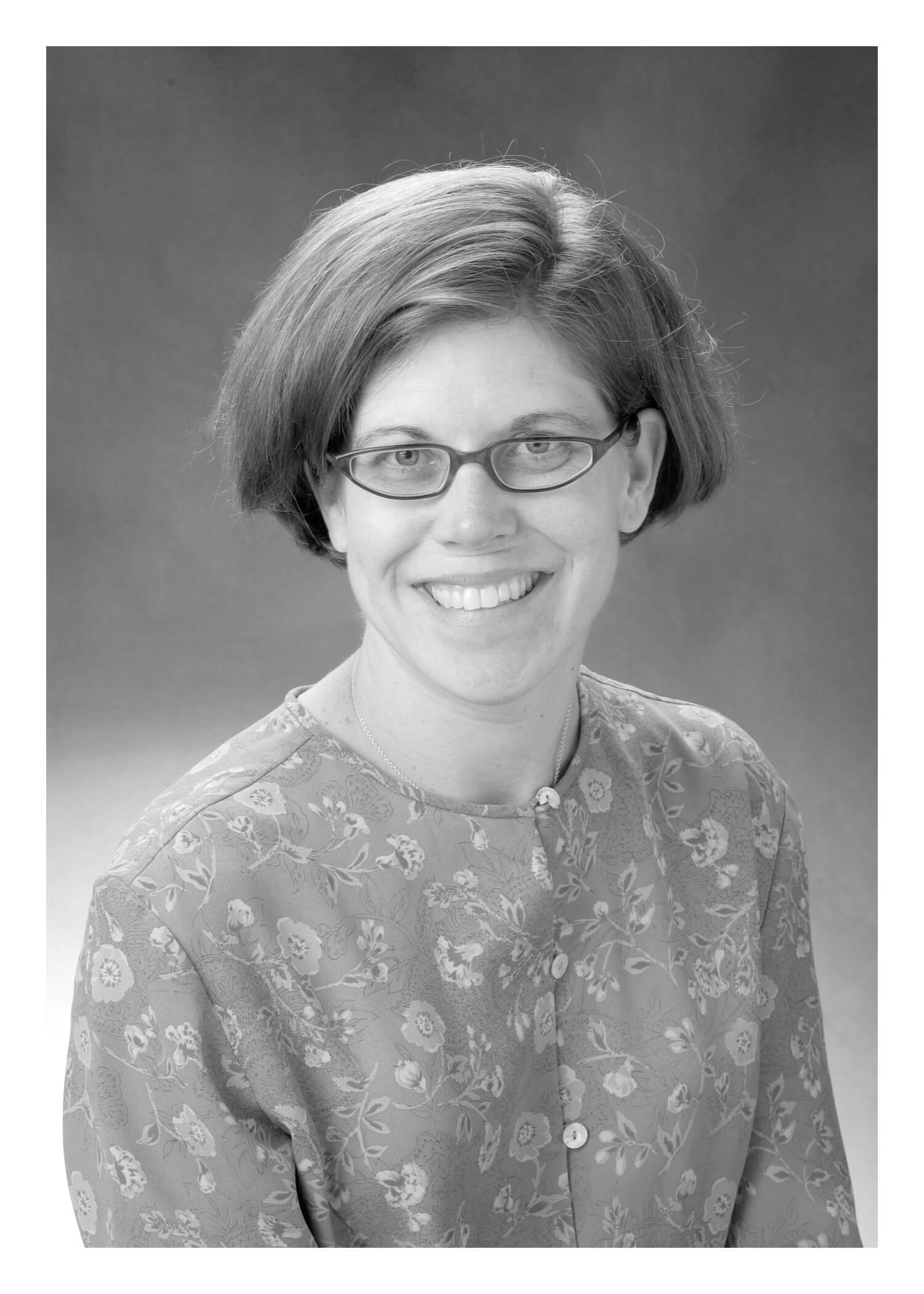
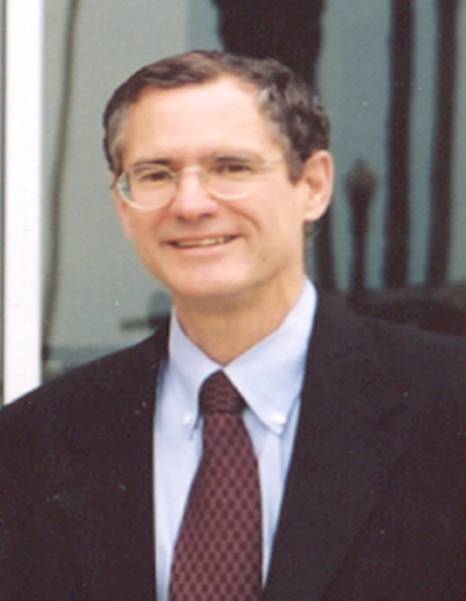
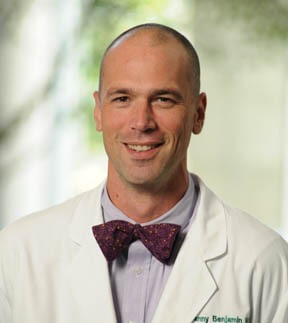
Kelly Wade is committed to improving drug safety for children. A neonatologist for the Children’s Hospital of Philadelphia, she works in the newborn intensive care units at both Children’s Hospital and Pennsylvania Hospital. Every day, she prescribes life-saving medicines to her tiny patients, often assigning doses based on estimates derived from adult dosing guidelines because pediatric data do not exist. Consequently, Dr. Wade is extremely interested in improving medication dosing, efficacy, and safety for newborn infants.
Because such improvements cannot be made without clinical trials in that vulnerable population, she also spends a great deal of time educating parents and hospital personnel about the importance of research, as well as the safeguards embedded within clinical research protocols to protect infant study participants.
Dr. Wade’s commitment to pediatric drug safety led her to become involved with the Pediatric Trials Network. She is a member of the PTN Steering Committee, tasked with reviewing protocols, adding insight to studies on neonates, and setting priorities for the network. She also serves on the Safety Committee, overseeing all studies conducted by the PTN to ensure that the health and well-being of study participants are protected.
A native of California who moved east for medical school, Dr. Wade is a proud convert to east coast living. After her residency, she and her family moved to Philadelphia to take advantage of its large children’s hospital, vibrant theater scene, great restaurants, river trail, and the ability to live in neighborhoods within walking distance of the city’s hospitals. Her husband, an actor, runs the theater program at a local university, and her two sons, ages 8 and 10, are avid chess players who can frequently be found at The Franklin Science Institute.
A study to determine the safety and pharmacokinetics of lisinopril in children and adolescents receiving kidney transplants will begin enrolling participants in April 2012.
Lisinopril is approved by the U.S. Food and Drug Administration for the treatment of children aged 6 years and older and adults with high blood pressure, heart failure, and heart attack. High blood pressure is also common among children and adolescents who have received a kidney transplant, but the appropriate dose of lisinopril in this group is not well known.
In this PTN study, lisinopril will be given to children and adolescents who have received a kidney transplant and have high blood pressure. The levels of lisinopril in each participant will be measured, thereby helping to determine the best dose of the drug to reduce high blood pressure in this unique group. Up to 28 children and adolescents between 2 and 17 years of age with a successful kidney transplant will be enrolled at 8 sites across the United States.
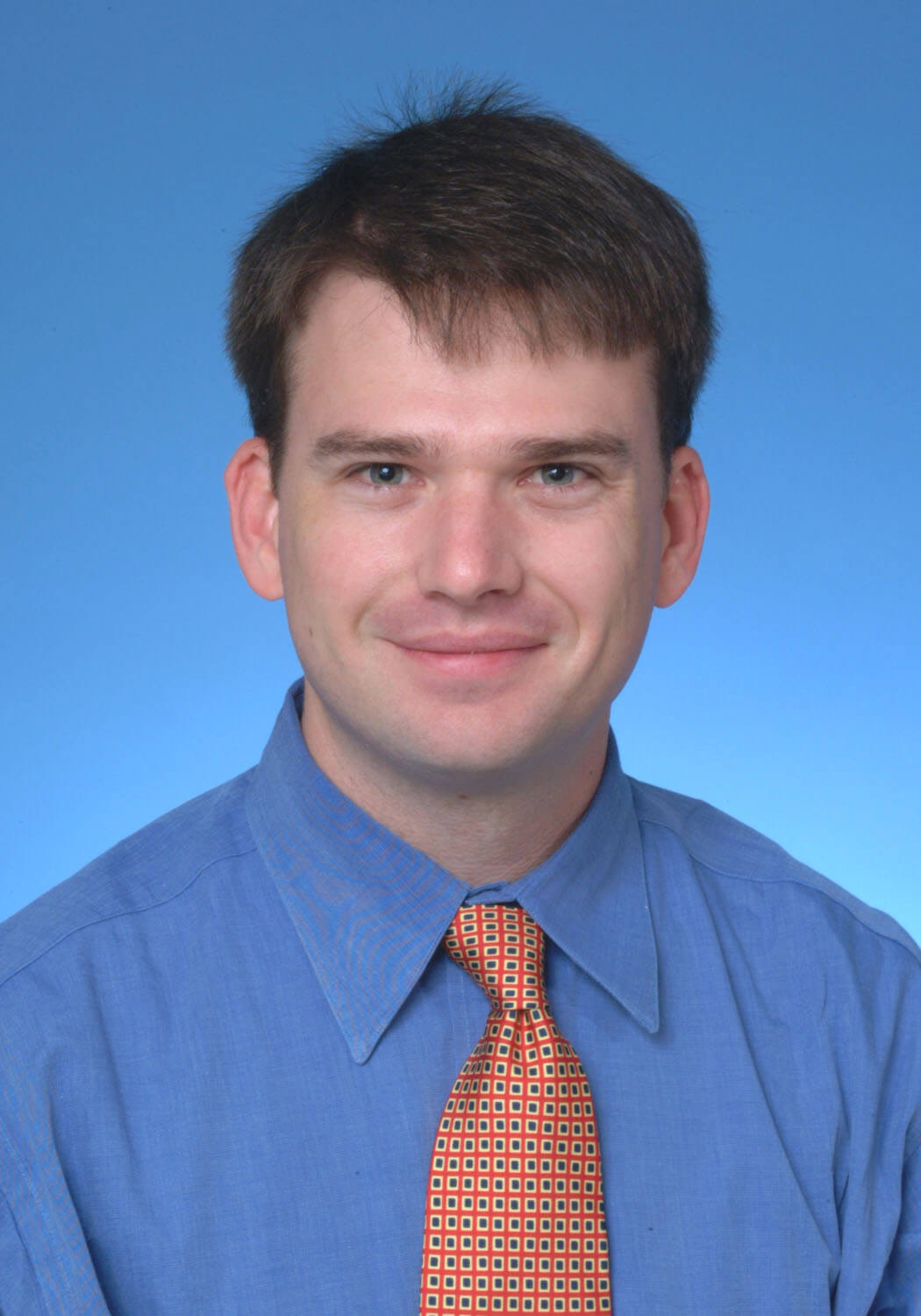
Matthew Laughon is on a mission to improve children’s health. An associate professor of pediatrics at the University of North Carolina in Chapel Hill, NC, he not only cares for patients in the North Carolina Children’s Hospital Newborn Critical Care Center, but he also serves as a member of the PTN Steering Committee and as principal investigator of the network’s Pharmacokinetics of Antistaphylococcal Antibiotics in Infants trial and Pharmacokinetics of Sildenafil in Premature Infants trial. These studies will provide important information about drugs that are used in hundreds of infants every day.
Outside of the Pediatric Trials Network, Dr. Laughon also devotes time to clinical trials sponsored by the Eunice Kennedy Shriver NICHD Neonatal Research Network, including studies of hydrocortisone, therapeutic hypothermia, and the management of the patent ductus arteriosus. Furthermore, he has played key roles in earlier NIH-sponsored studies of drugs commonly used in pediatric medicine—meropenem (member, Safety Committee) and fluconazole (chair, Data and Safety Monitoring Board).
Thankfully, with so many balls in the air at any given moment, he has a lot of help. In particular, Dr. Laughon is thankful for the staff of the Pediatric Trials Network: Katherine Berezny and Maurine Morris at the Duke Clinical Research Institute, who have been essential to getting the antistaphylococcal and sildenafil trials off the ground; Dave Seigel at the Eunice Kennedy Shriver National Institute of Child Health and Human Development, who coordinates activities at the National Institutes of Health; and Ravinder Patel at Emmes, who keeps tabs on data coordinating efforts.
There’s no shortage of help on the home front either. The Laughon household includes wife Sarah, who is a psychiatrist, children Madeleine (age 13) and Christopher (age 11), a cat named Jake, and a dog named Persephone. And in those scant minutes of the day when he’s not working on research or spending time with his family, Dr. Laughon strives to keep fit at his local CrossFit gym.
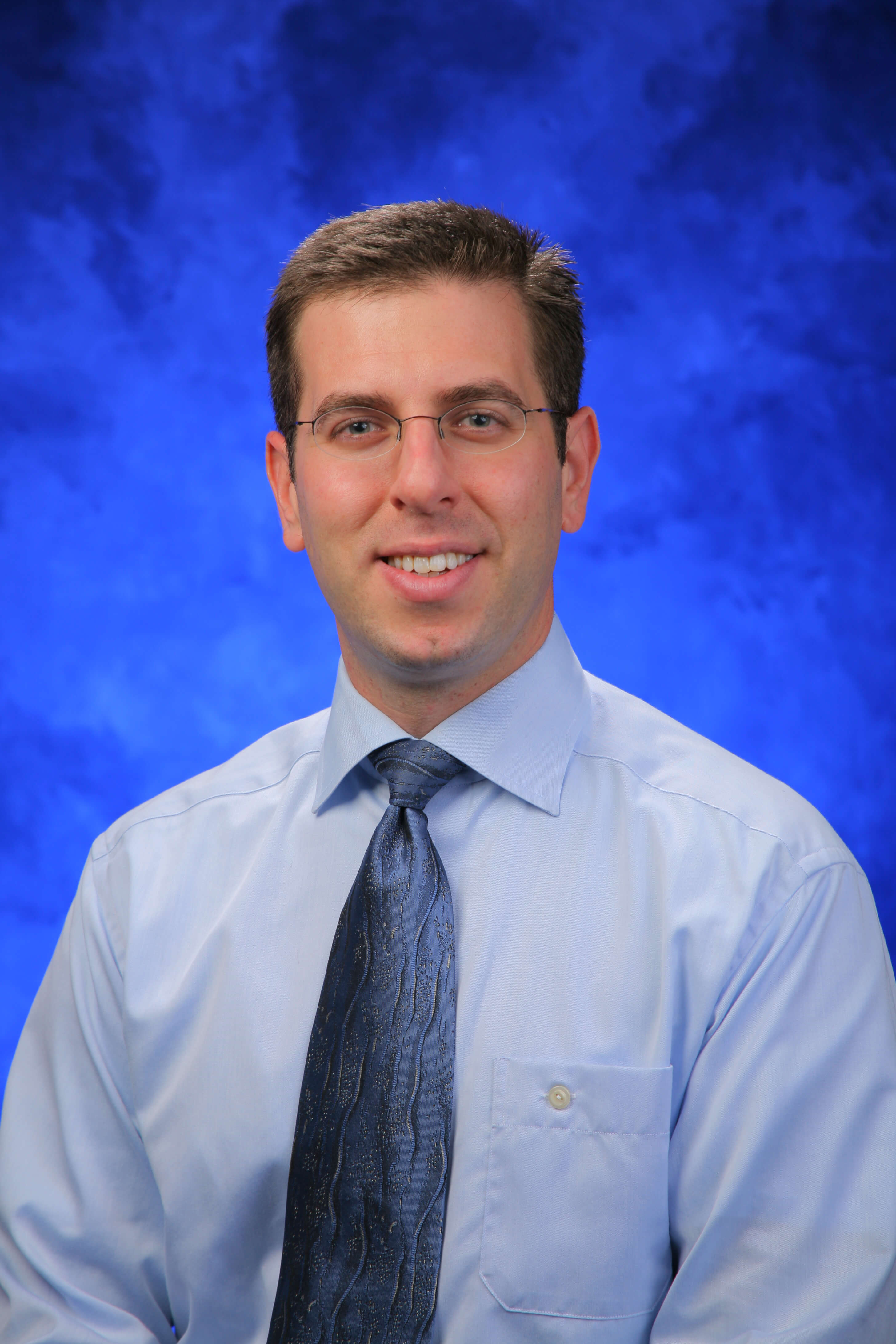
Ian Paul brings a unique perspective to the PTN. A professor of pediatrics and public health sciences at the Pennsylvania State University College of Medicine and director of research in the Division of General Pediatrics at Penn State Children’s Hospital, he is the only PTN Steering Committee member who works in primary care as a general pediatrician. His focus on everyday practice enables him to contribute knowledge about medications used commonly by family pediatricians as opposed to those needed mainly in specialty care situations. This “real-world” perspective is essential for keeping PTN studies as practical and useful as possible, both for the doctors involved in the research and for the patients who benefit from the results.
Dr. Paul’s research interests vary broadly, from the prevention of childhood obesity through home-based interventions delivered to new parents to the usefulness of postpartum home visitation provided by community-based health agencies versus office-based care for newborns and their mothers. Additionally, he is a co-investigator on numerous other projects also funded by the National Institutes of Health relating to co-parenting, infant sleep, prevention of shaken baby syndrome, prevention of poor pregnancy outcomes, and the treatment of asthma.
His connections to the larger PTN community are long-lived. During the three years he spent at Duke University as house staff in pediatrics in the late nineties, Dr. Paul worked extensively with Dr. Danny Benjamin, principal investigator for the network. Likewise, he enjoys a great professional relationship with Dr. Greg Kearns of Children’s Mercy Hospital in Kansas City, MO (also a PTN principal investigator), who has aided his career development over the years.
Outside of work, Dr. Paul keeps busy with his family, which includes two young children (Ava, age 4, and Jack, age 20 months). He enjoys working in his vegetable garden and exercising, as well as rooting for Duke basketball and the Philadelphia professional sports teams.
Michael O’Shea—vice chair and professor of pediatrics at Wake Forest University Health Sciences in Winston-Salem, NC—provides leadership for PTN studies of clinical devices, such as new monitoring equipment for infants in the neonatal intensive care unit. A graduate of the Schools of Medicine and Public Health at the University of North Carolina in Chapel Hill, he has lived in North Carolina for all of his life and considers himself a bona fide “tar heel.”
Dr. O’Shea wears many hats in the course of an average day. As a neonatologist, he cares for newborns and infants with medical conditions. As a clinical researcher, he studies the effects of drugs and other treatments on critically ill newborns. He is particularly interested in the long-term effects that these treatments may have on development. In one of his current studies, he is evaluating neurocognitive and neurobehavioral outcomes of 10-year-old children born more than 12 weeks early; in another, he is evaluating young adults who weighed less than 3.5 pounds at birth. By identifying the impact that life-saving treatments may have on critically ill newborns, he hopes to improve clinical care for these vulnerable patients, both in the short and long term.
Dr. O’Shea is also very interested in mentoring young researchers and has been increasing the amount of time he devotes to this activity in recent years. He has mentored 10 pediatric faculty, 27 neonatology fellows, and 3 doctoral students, and is the recipient of the 2012 Wake Forest School of Medicine Faculty Mentoring Award.
Outside of work, Dr. O’Shea and his family like to get outside, enjoying activities such as hiking, biking, running, and tennis. Guitar playing and distance running are also among his favorite pastimes. He has run numerous marathons, including the Boston Marathon, which he has competed in three times.
On January 27, 2012, the first patient was successfully enrolled into the PTN’s hydroxyurea (HU) study.
Hydroxyurea is the only major drug breakthrough for the treatment of sickle cell disease within the past 20 years. It is the only drug approved by the FDA to treat adults with sickle cell anemia, and so it is a part of the standard of care for those with severe sickle cell disease in the United States.
Few studies have been done with HU in children to tell us how it is absorbed and expelled. The PTN study will measure how much HU gets into the bloodstream at different time points in children, and how fast it is removed. The study will enroll eligible children ages 2–17 with a confirmed diagnosis of sickle cell anemia. For the children ages 5–17, the study will also explore whether the body handles HU differently in liquid versus pill form.
Study enrollment for all ages will take place during regularly scheduled clinic visits. Children will take their usual dose of HU, and small blood samples will be obtained over the course of a day. Study results will provide information to help the FDA in considering approval of HU for use in infants and children with sickle cell anemia.
The first enrolled patient provided the required blood draws over a full day in the clinic at Children’s Memorial Hospital in Chicago, IL, under the direction of Dr. Robert Liem, the study site principal investigator. The HU study plans to enroll 40 patients total over the course of several months.
The 2011 BPCA Priority List of Pediatric Therapeutic Needs and the 2011 BPCA Priority List of Pediatric Therapeutic Needs under Consideration was released on April 1, 2011. Please refer to the Federal Register Notice for additional details.
Doctors make educated guesses every day. There’s precious little time to decide what treatment to use, much less how often or how much to prescribe, when there are dozens of patients waiting to be seen.That’s why they rely so much on clinical practice guidelines—statements that describe appropriate treatments based on scientific evidence and broad consensus among physicians. The development of treatment guidelines has been a function of professional societies such as the American Heart Association and the American Academy of Pediatrics for more than 20 years.
But as late as 1998…the FDA did not require drug developers to test new drugs on children, even drugs that would be commonly given to children.
The best guidelines are backed by evidence coming out of randomized clinical trials. In the case of new drugs, these trials are required. The Food and Drug Administration (FDA) will not approve the distribution of a new drug unless it has been tested in hundreds, if not thousands, of volunteers and deemed reasonably safe and effective. But as late as 1998, this rule applied only to adults: the FDA did not require drug developers to test new drugs on children, even drugs that would be commonly given to children.
Danny Benjamin, MD, PhD, MPH
The result is guesswork. Pediatrician Danny Benjamin’s 10-year-old son takes seven different medicines every day, many of which lack pediatric dosing and proper formulation. Without an age-appropriate formulation (such as a liquid or chew-tablet), Benjamin and other parents rely on rudimentary techniques to give the medicines. “Every day, I use a kitchen knife to cut up Jack’s pills—to give him a ‘ballpark’ dose,” said Benjamin. In addition to the problem related to formulation, the ‘ballpark dose’ assumes a linear relationship between the dose and the patient. It assumes that 10 mL of drug per kilogram of weight will work for a 1 kg baby the same way that it will work for a 10 kg child and a 100 kg adult. “Ballparks are great to communicate budget estimates, but not therapeutics,” Benjamin said.
In reality, normal growth and development in childhood result in often opposing, rarely predictable, effects on drug metabolism, explained Benjamin. The proportions of body weight made up of fat, protein, and water change dramatically in infancy and childhood. In a full-term newborn, for instance, water comprises approximately 70 to 80 percent of body weight. By five months, this decreases to 60 percent. Newborns have lower concentrations of albumin, a protein essential to the proper distribution of fluids between the tissues and blood vessels. They also have little muscle mass. Their body surface area is high relative to body mass. The absorptive surface of their small intestine is greater. Food moves through their digestive system faster. There are corresponding differences in the size of their kidneys and liver. “You just can’t think of children as miniature adults,” Benjamin said.
More than two dozen generic drugs
In 1998, the FDA began requiring drug developers to test specifically in children any of their medications that may be prescribed for children. The resulting trials confirmed that pediatric dosing recommendations are little more than guesstimates. Of the first 200 products tested, the “correct” dose was wrong 40 percent of the time. “We were either under-dosing or there was a dosing or safety surprise, like hostility, aggression, irritability, or insomnia. These may not seem like much unless you think through the consequences of an aggressive, hostile, over-medicated 5-year-old in the house with a 9-month-old younger sibling,” Benjamin said.
In September 2010, the National Institutes of Health moved to close another loophole: the lack of pediatric dosing information in generics—drugs that pharmaceutical companies have no exclusive right to market and thus are not required and have no incentive to test. It awarded a $95 million grant to a team led by Benjamin, professor of pediatrics at Duke University, pediatric director of the Duke Clinical Research Unit, and faculty associate director of the Duke Clinical Research Institute (DCRI), to run the Pediatric Trials Network (PTN) and conduct pediatric clinical trials for 16 generic drugs over the next five years.
“I hope we double that,” said Benjamin. His hope for 32 trials is not far-fetched. The PTN, which functions as an infrastructure for conducting safe and scientifically-rigorous trials, now has FDA approval to study four drugs. It is already recruiting participants for its first study drug: metronidazole, an antibiotic given to babies with necrotizing enterocolitis (NEC). Found in approximately 10 percent of newborns who weigh less than a kilogram, NEC can bore a hole in the intestines, allowing bacteria to leak out into the abdomen. Thousands of newborns receive metronidazole every year, but no one has studied what their bodies do to the drug.
“There’s a lot of variability among premature infants when it comes to drug metabolism. Even within the same gestational age and postnatal age, there’s typically a ten-fold difference,” said Benjamin.
“If you give an ‘average’ dose to two neonates, each of whom delivered after 32 weeks in the womb [a normal pregnancy ranges from 38 to 42 weeks], and both seven days old, one is liable to have a trough level of 2ug/mL [micrograms per milliliter] and the other a trough level of 20 or 25ug/mL. Some babies will be fine, but babies who have low levels: they’re not getting enough antibiotic. This is a big problem when you have a fatal bloodstream infection that often goes to the brain.”
In a massive effort that Benjamin likens to “multiple mini-drug development programs,” the PTN will study product formulation, drug dose and safety, and device development. It will then use data collected from the trials to help inform pediatric drug labeling, and to provide regulators, pediatricians, and researchers with new information on how children respond to medication. The primary goal is to generate the data necessary to produce evidence-based clinical practice guidelines.
“Physicians don’t have a whole lot of time to scour the Web, do a literature search, and then think through pharmacology to maybe get the right dose. You have 80 patients that you have to see at the hospital that day and each one of them is on several different therapeutics,” said Benjamin. “Tack on ventilator management, micromanaging fluids, and talking to parents because seeing their child hospitalized is one of the most stressful things they can ever experience, and it’s a busy day. So physicians rely on treatment guidelines and reference materials. That’s why studying these drugs in children is very important. Either that or we continue to make things up.”
A groundbreaking effort to reduce the risks and dangers faced everyday by millions of children who are prescribed medications that lack definitive data about pediatric dosing, efficacy and safety was created today through an initiative supported by the National Institutes of Health (NIH), totaling up to $95 million over the next seven years.
The network will conduct 16 trials spanning a variety of therapeutic areas, including cardiovascular diseases, cancer, infectious diseases, gastroenterology, respiratory diseases, neonatology, and medical devices.
“It’s staggering to consider that less than 10 percent of licensed therapeutics have been adequately studied in children, so much of pediatric drug use is based on an educated guess by a pediatrician using studies conducted in adults, who often absorb drugs differently or experience different side effects than children,” said Daniel K. Benjamin, Jr., MD, PhD, professor of pediatrics at Duke and associate director of the DCRI, who will lead the PTN.
The PTN was conceived to create a scientific, technical, and administrative infrastructure for conducting pediatric clinical trials in an environment that provides optimal safety for the research participants and sophisticated expertise to determine the balance of benefits and risks of drug and device treatment of medical illnesses in children.
Under an agreement among the organizations, the network will conduct 16 trials spanning a variety of therapeutic areas, including cardiovascular diseases, cancer, infectious diseases, gastroenterology, respiratory diseases, neonatology, and medical devices. The drugs and devices have yet to be determined. The compounds studied will be those which have already been on the market long enough that their patents have expired, otherwise known as generic drugs.
A network steering committee will be established to work alongside the NICHD to oversee the network operations. Program management will be conducted by the DCRI and the leadership team will include investigators from Duke Children’s Hospital, Children’s Mercy Hospital in Kansas City, the University of California, San Diego, Children’s National Medical Center in Washington D.C., The Children’s Hospital of Philadelphia, Wake Forest University Baptist Medical Center in Winston-Salem, NC, and Carilion Clinic Children’s Hospital in conjunction with the Virginia Tech Carilion School of Medicine.
“Pediatric dose formulation and therapeutic and diagnostic pediatric device development are urgent pubic health issues of critical importance,” said Robert Harrington, MD, director of the Duke Clinical Research Institute. “This network brings together an outstanding multi-disciplinary team across the spectrum of translational research to greatly expand upon a currently functioning proof-ofconcept network underway at the DCRI and its sister organization, the Duke Clinical Research Unit (DCRU).”
According to Benjamin, the first trial in this project will likely be conducted to determine optimal dosing of medications used to treat high blood pressure in children. Most of the trials will enroll between 100 to 200 children. Aspects of this network will include product formulation, drug distribution and device development. “In effect, each trial will become a ‘mini’ drug development program,” Benjamin explained.
Another objective for this project is to use the data collected from the PTN to help inform pediatric drug labeling, and to provide regulators, pediatricians, and researchers with new information on medication response in children.
“The Pediatric Trials Network has the potential to correct a problem that continues to surprise people—we have inadequate information about the proper treatment of children, even for commonly used treatments that have been on the market for years,” said Robert M. Califf, MD, director of the Duke Translational Medicine Institute (DTMI) and vice chancellor for clinical research at Duke University. “Considering Duke’s established leadership in translational medicine and the involvement and support of many of the pediatricians and clinical pharmacologists active in clinical trials in the United States, this team composed of the nation’s experts in therapeutics in children should provide information that will be critical to pediatricians and the children they treat.”
Six groups will comprise the PTN:
clinical operations and program management,
managing clinical pharmacology design components of trials,
pharmacokinetic and pharmacodynamic simulations, analysis and modeling,
common safety reporting across trials and an ethics review of each study protocol,
overseeing collaboration in the multi-disciplinary development of devices for use in children, and
training the next generation of clinical pharmacologists and clinical trialists by partnering junior investigators with program leaders and senior investigators.
When appropriate, the research will apply the specialized capabilities and technologies available in the DCRU, which is one of just a handful of state-of-the-art, hospital-based, early-phase research units in the country. Benjamin serves as the program director for pediatrics in the DCRU.