
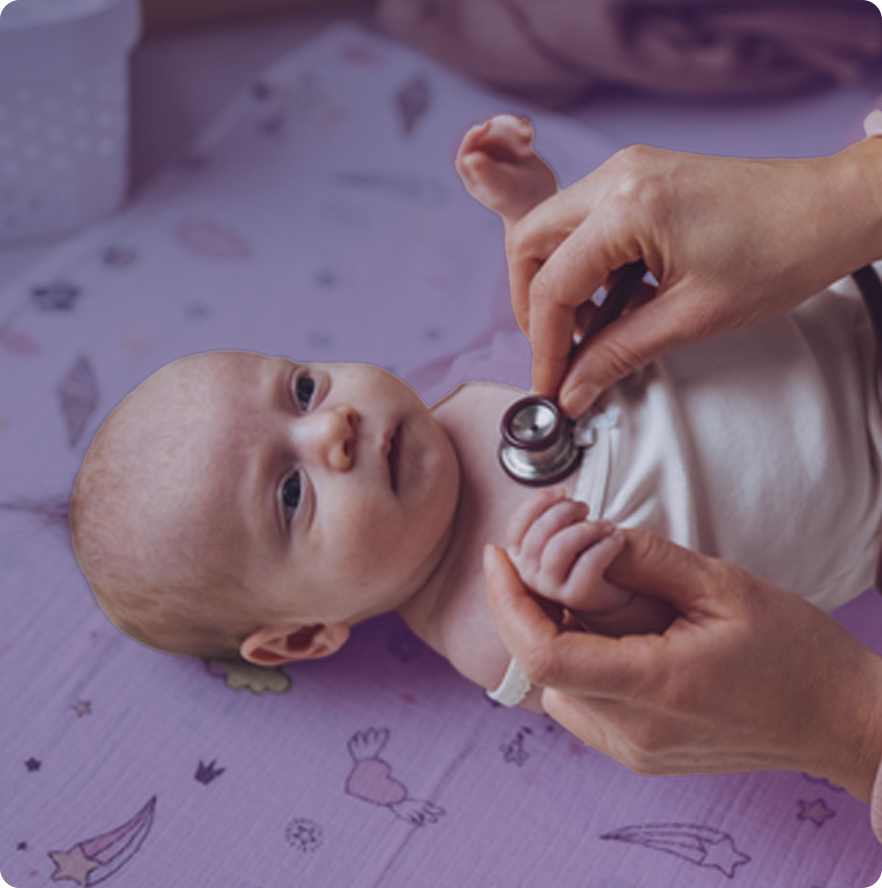






- Obesity Related Label Change: Clindamycin is commonly used to treat serious infections in children. Updates to the label include instructions for dosing based on body weight in both obese and non-obese patients.
- Infants less than One Month Old: Clindamycin is commonly used to treat serious infections in infants. Updates to the label include pharmacokinetic information and dosing guidance for post-menstrual age (PMA) less than or equal to 32 weeks, or greater than 32 weeks to less than or equal to 40 weeks.
Study Description
This study aimed to determine the pharmacokinetics (PK) of intravenous and oral clindamycin in overweight and obese children and adolescents. Up to 32 children and adolescents ages 2 to <18 years with a body mass index (BMI) ≥85th percentile for age were enrolled to receive multiple doses of clindamycin over a maximum treatment period of 14 days.
Community-acquired methicillin-resistant Staphylococcus aureus (MRSA) has become a leading cause of hospitalization among children and adolescents in the United States. Antimicrobial agents, such as clindamycin, have emerged as first-line therapies for the treatment of this disease: the use of clindamycin among children hospitalized with MRSA increased from 21% in 1999 to 63% in 2008.
In recent decades, rates of childhood obesity have also continued to rise. National data estimate that as many as 17% of children aged 2–19 years in the United States are obese (defined as a BMI ≥95th percentile), and 12.3% are morbidly obese (BMI ≥97th percentile). Unfortunately, obese patients are at increased risk of developing Staphylococcus aureus infections and have a greater likelihood of developing complications from such infections.
Typical clindamycin dosing guidelines based on patient weight may not be appropriate for obese children because of altered body composition, physiology, and resulting changes in drug distribution. Notably, variability in serum and tissue concentrations has been reported in obese adults. This study, completed in 2016, determined the PK of intravenous and oral clindamycin in obese pediatric patients and characterized the safety profile of clindamycin in overweight and obese children and adolescents.
View study data for clindamycin PK of antistaphylococcal antibiotics in infants on NICHD's Data and Specimen Hub (DASH).
Publications
- Pharmacokinetics of Clindamycin in Obese and Nonobese ChildrenAntimicrobial Agents and Chemotherapy • March 2017 Access article on PubMed. Smith MJ, Gonzalez D, Goldman JL, Yogev R, Sullivan JE, Reed MD, Anand R, Martz K, Berezny K, Benjamin DK Jr, Smith PB, Cohen-Wolkowiez M, Watt K; Best Pharmaceuticals for Children Act—Pediatric Trials Network Steering Committee. Although obesity is prevalent among children in the United States, pharmacokinetic ...
Presentations
Pediatric Academic Societies Annual Meeting, April 25-28, 2015
Pharmacokinetics of Multiple-Dose Intravenous Clindamycin in Obese Children
Smith MJ, Gonzalez D, Goldman JL, Yogev R, Sullivan JE, Reed MD, Anand R, Martz K, Berezny KY, Smith PB, Cohen-Wolkowiez M, Watt K, on behalf of the Best Pharmaceuticals for Children Act – Pediatric Trials Network
Status: Completed, FDA label changed
ClinicalTrials.gov identifier:
NICHD Data and Specimen Hub (DASH):
Clindamycin - PK of Antistaphylococcal Antibiotics in Infants
Principal Investigators:
P. Brian Smith, MD, MPH, MHS
Duke Health, Durham, NC
Michael J. Smith, MD, MSCE
University of Louisville, Louisville, KY