
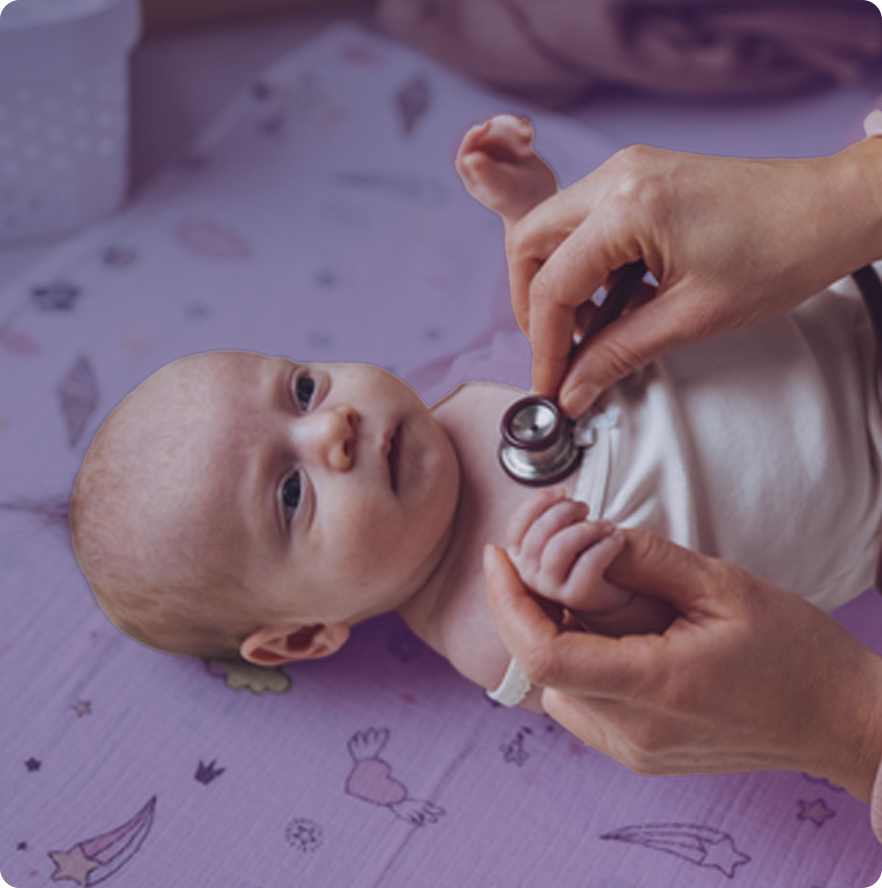






Testing a formulation of hydroxyurea in children; this drug is approved to treat sickle cell disease in adults.
This study examined the pharmacokinetics of liquid hydroxyurea in approximately 16 children aged 2 to <5 years and the relative bioavailability in approximately 24 children aged >5 to 17 years. Children enrolled had a diagnosis of sickle cell anemia or sickle beta-zero thalassemia. The study period lasted a minimum of 30 days from the first dose.
Kathleen Neville, MD, of Children's Mercy Hospital Kansas City, discusses the PTN study of hydroxyurea in pediatric patients with sickle cell anemia.
Summary
Sickle cell anemia is a disease passed down through families in which red blood cells form an abnormal crescent shape (as opposed to the normal disc shape). These fragile, sickle-shaped cells deliver less oxygen to the body's tissues. They can also clog more easily in small blood vessels and break into pieces that disrupt healthy blood flow. Common symptoms of sickle cell anemia include attacks of abdominal pain, bone pain, delayed growth and puberty, fatigue, fever, and ulcers on the lower legs.
Hydroxyurea (HU) represents the only major medical breakthrough in sickle cell disease in the past 20 years, and it is the only drug that is approved by the U.S. Food and Drug Administration (FDA) for treatment in adults with sickle cell disease. Treatment with HU has been shown to significantly decrease the incidence of painful episodes and also reduces overall mortality in adult patients. In spite of the fact that the FDA has not approved HU for pediatric use, it is often used to treat children who exhibit signs of severe disease. Recent data suggest that use of HU in infants with sickle cell disease is feasible, well-tolerated, and efficacious; however, only limited pharmacokinetic and pharmacodynamic studies have been done on HU use in children.
This study was designed to better understand how this drug works in children. Approximately 40 children with sickle cell disease were enrolled and given a liquid formulation of HU. Sixteen participants aged 2 to <5 years were enrolled in the pharmacokinetic study, and up to 24 participants aged >5 to 17 years were enrolled in the relative bioavailability study (in which the liquid formulation was compared with Droxia®). Blood samples were obtained after HU administration to determine study drug concentrations in the body and its elimination. The study period was a minimum of 30 days from the first dose of HU.
Publications
- Pharmacokinetics and bioequivalence of a liquid formulation of hydroxyurea in children with sickle cell anemiaThe Journal of Clinical Pharmacology • March 2016 Access article on PubMed. Estepp JH, Melloni C, Thornburg CD, Wiczling P, Rogers Z, Rothman JA, Green NS, Liem R, Brandow AM, Crary SE, Howard TH, Morris MH, Lewandowski A, Garg U, Jusko WJ, Neville KA; Best Pharmaceuticals for Children Act-Pediatric Trials Network Administrative Core Committee. Hydroxyurea (HU) is a ...
OVERVIEW
Status:
Completed; clinical study report submitted to FDA
ClinicalTrials.gov identifier:
NCT01506544
NICHD Data and Specimen Hub (DASH):
Hydroxyurea in Pediatric Patients with Sickle Cell Anemia
Principal Investigators:
Kathleen Neville, MD, MS
Mercy Children's Hospital
Kansas City, MO
Zora R. Rogers, MD
University of Texas Southwestern
Dallas, TX
NEWS
- First patient enrolled in hydroxyurea studyBreaking news announcement On January 27, 2012, the first patient was successfully enrolled into the PTN’s hydroxyurea (HU) study. Hydroxyurea is the only major drug breakthrough for the treatment of sickle cell disease within the past 20 years. It is the only drug approved by the FDA to treat adults with sickle cell anemia, and so it ...